
When people talk about ALS, they often speak about the physical changes. The muscle weakness. The speech loss. The breathing machines. But what rarely gets said out loud is the financial cost that follows a diagnosis. The kind of cost that doesn’t show up on pamphlets or in support groups but arrives later as line items on bills.
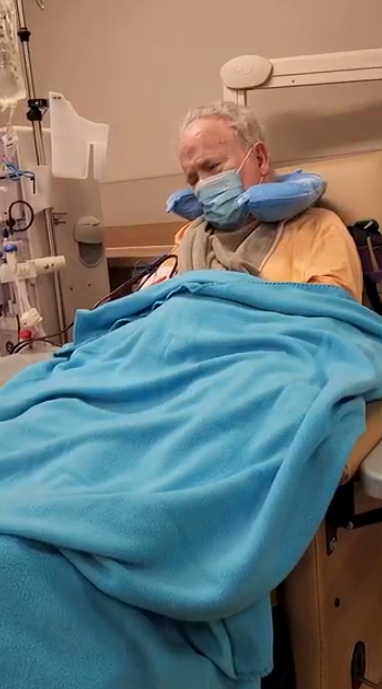
This summer, Pete, who lives with ALS, spent 48 days in and out of hospitals, ICUs, emergency rooms, and rehabilitation centers. His wife Lura, who is also his full-time caregiver and the founder of Let Hope Grow, began documenting the journey. Not just the moments in the hospital. Not just the emotional toll. But the numbers.
And the numbers are staggering.
The Cost of ALS Hospitalization: $1.8 Million and Counting
Every charge accounted for. Critical care. Multiple ambulance rides. Emergency room visits. Repeated dialysis. Respiratory therapy. Speech therapy. Physical therapy. CT scans. IVs. Medications. Lab work. Room and board. Diagnostic testing. The list goes on for pages.
The VA has paid $161,324.43 and thanks to Pete’s veteran status, none of the remaining cost will come out of pocket. But what happens when someone doesn’t have VA support? What happens when insurance doesn’t catch everything? These are the questions that keep Lura up at night, not just for Pete, but for every family she advocates for.
ALS doesn’t come with a warning. It doesn’t give families time to financially prepare for months long hospitalizations or the specialized care that follows. And yet that’s what so many families are forced to navigate. The receipts pile up while families do their best to stay focused, keep moving, and find a way forward.
Hidden Expenses of ALS After Hospital Discharge
Beyond the hospital walls, there are costs that rarely make it onto spreadsheets but carry just as much weight. Home modifications. Medical equipment rentals. Feeding tubes and supplies. Medication copays. Mobility devices. In home care support. The cost of missed work. The gas it takes to drive to and from appointments five days a week. The meal delivery services when cooking is no longer possible. The emotional energy spent trying to make everything look manageable.
Let Hope Grow works directly with families experiencing these realities. The mission has always been about lifting the weight where possible. Offering help when help feels out of reach. And telling the truth about what ALS takes, not just physically, but financially, emotionally, logistically.
ALS Medical Debt: One Family’s Reality
Lura and Pete’s story is personal, but not unique. It reflects what so many families go through once the diagnosis sets in and the system begins to reveal its gaps. Their TikToks during and after the hospital stay tell the story in real time: moments of confusion, strength, exhaustion, and quiet clarity.
The fact that Lura had access to the VA and insurance made a difference. But even with that, she was left asking questions that no one could answer right away. Questions like, who will cover this? What can be skipped? What happens if we can’t pay? And how do families without coverage begin to survive this?
This is where the mission of Let Hope Grow becomes even more urgent. The nonprofit was never created to help cover Pete’s expenses. Every dollar raised is used to support other families who don’t have the safety nets Pete was lucky to have. Seeing these numbers hasn’t shaken Lura’s mission. It has only deepened her drive to work harder. To bring more help to more people. To make sure others don’t face this kind of weight without support.
The Financial Toll of ALS and Why It Must Be Named
There are people right now trying to decide between new brakes on the van or a hospital bed rental. Between taking on extra work or staying home full time to meet caregiving needs. Between asking for help and trying to carry it all without anyone noticing.
Talking about money might feel uncomfortable. But staying silent helps no one. The bills are real. The strain is real. And acknowledging that is the first step toward changing it.
You can help. Share this story, donate here. And you can learn more about what Let Hope Grow does to support families living with ALS by visiting lethopegrow.org.
This story is about truth. It’s about bringing attention to what families are facing behind the scenes. And that awareness deserves to become action.
Because the invoices are still coming. And so are the families who need someone to stand beside them.
Let Hope Grow is ready.